
Imagine a bustling manufacturing floor where efficiency is king, yet traditional robotic arms falter under the weight of rigidity. With statistics showing that 70% of manufacturers are struggling with inflexibility in their operations, the question arises: how can a lightweight robot arm shift the balance?
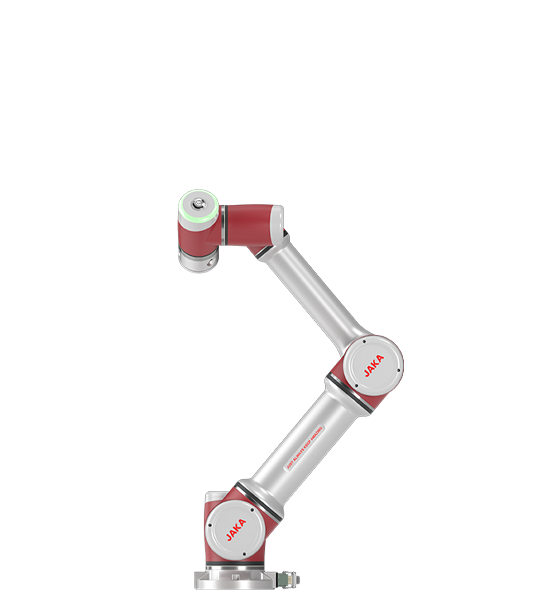
In a world that craves versatility, the introduction of lightweight robotic arms revolutionizes workflows. Unlike their heavier counterparts, which are often limited by their structured designs, a lightweight robot arm can easily maneuver through tight spaces and adjust to varied tasks—timing is crucial here, as rapid adaptation can mean the difference between leading the market or falling behind.
Flexibility vs. Traditional Robotics
While traditional robotic solutions excelled at specific tasks, the evolving manufacturing landscape demands versatility. I vividly recall a project where implementing traditional arms led to downtime and costly delays—pointless frustration, right? That’s when I discovered the magic of a lightweight robot arm; its adaptability transformed not only operations but also our team’s morale.
What Sets Lightweight Robot Arms Apart?
A lightweight robot arm offers enhanced precision, reduced energy consumption, and the ability to integrate seamlessly with existing systems. Such flexibility allows businesses to pivot quickly in response to market demands—because, let’s face it, adaptability is the name of the game. In my experience, the difference is palpable; there’s an undeniable ease when transitioning between tasks with a lightweight arm.
The Forward Momentum of Robotics
As we look to the future, it’s clear that the lightweight robot arm is not just an alternative but a necessity in modern manufacturing. Interestingly, studies indicate that companies adopting these solutions report at least a 25% increase in productivity—worth celebrating, don’t you think?
When I compare traditional methods with the new-age lightweight robot arm, the advancements are striking. Not only do we minimize downtime, but we also create a work environment poised for innovation and growth. The integration of advanced technologies allows for intuitive programming, making these arms not only smart but incredibly user-friendly, which is a vital consideration for users not versed in electronics or mechanics.
Real-World Impact
In understanding the trajectory of robotic technology, the implications are clear. Transitioning to a lightweight robot arm doesn’t just optimize efficiency; it reshapes the entire approach to production. By embracing flexibility, companies can counter market fluctuations effectively. The takeaway here is simple: businesses that invest in technology that adapts will undoubtedly outperform their competitors who stick to rigid methodologies.
Key Insights and Conclusions
To wrap up, I’ve shared some indispensable lessons learned throughout my journey with robotic technology. The shift from traditional to lightweight robotic arms uniquely enhances productivity and flexibility. I strongly believe companies should evaluate their robotics solutions based on three key metrics: adaptability to tasks, ease of integration, and overall energy efficiency. Embracing these principles is essential for staying ahead.
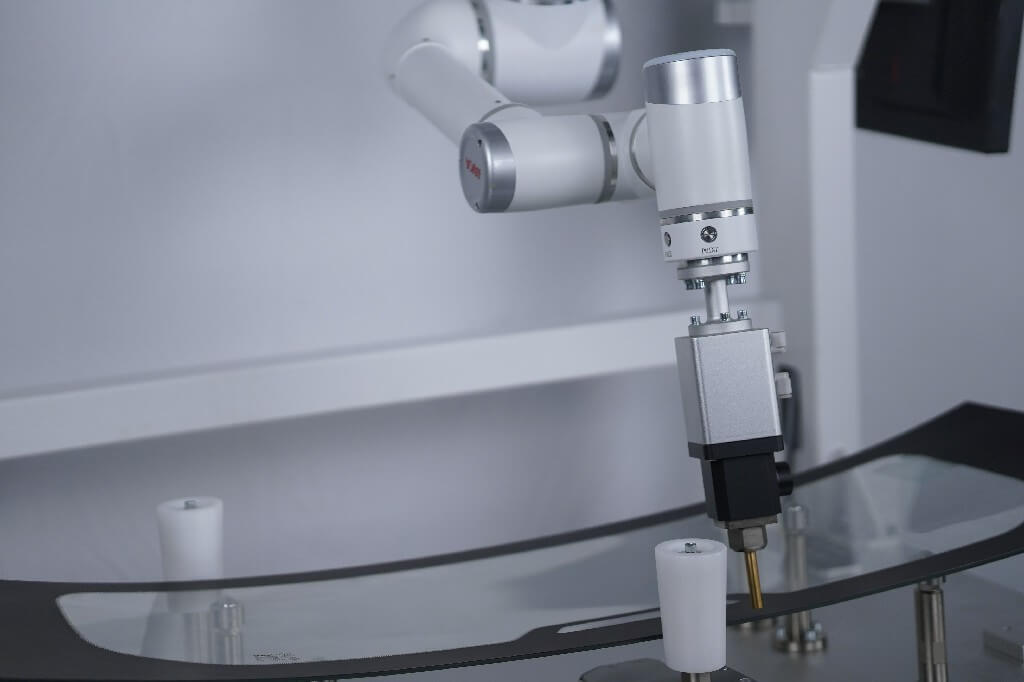
If you’ve felt the limitations of traditional robotic systems on your production lines, perhaps it’s time to consider the endless possibilities offered by the lightweight robot arm. After all, it’s not just a tool; it’s a pathway to reimagining how we work. It’s been an enlightening experience, diving into the stark contrasts and bright prospects of this technology, and I invite you to explore these innovations for your own success. Don’t let outdated solutions hold you back; instead, look towards the promising horizon brought forth by JAKA.